01
What Should You Do Right After a Pipe Bursts?
main shut-off valvewater supply line
The first thing to do when a pipe bursts is locate the main shut-off valve and close it completely — in most West Palm Beach homes, that valve sits near the street meter or inside a utility closet, and shutting it down within the first 2 to 3 minutes can cut total water spread by 30 to 60 percent. Once the flow stops, cut power to any circuits in the wet zone at your breaker panel. Do not enter standing water while electricity is on. Move furniture and valuables off the saturated floor, then photograph everything before touching a single affected surface. Finally, call a licensed cleanup crew. South Florida's heat means a saturated water supply line cavity can begin growing mold within 24 hours, so every minute counts.
02
What Does Burst Pipe Cleanup Include?
extractiondryingsanitizing
Burst pipe cleanup is a structured three-phase process: extraction, drying, and sanitizing.
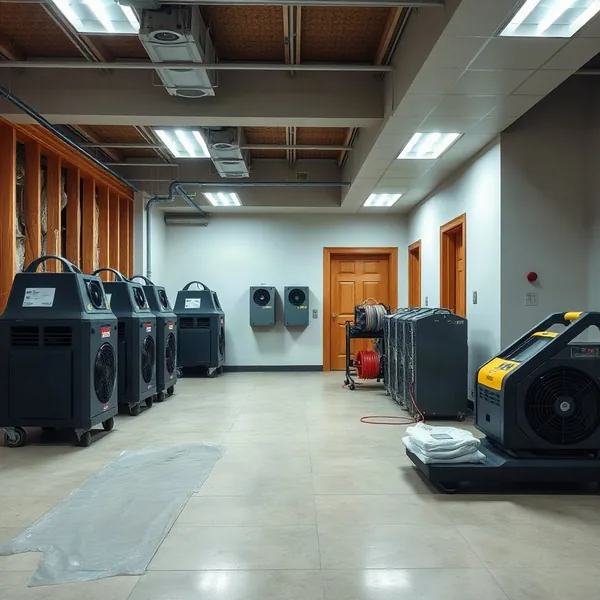
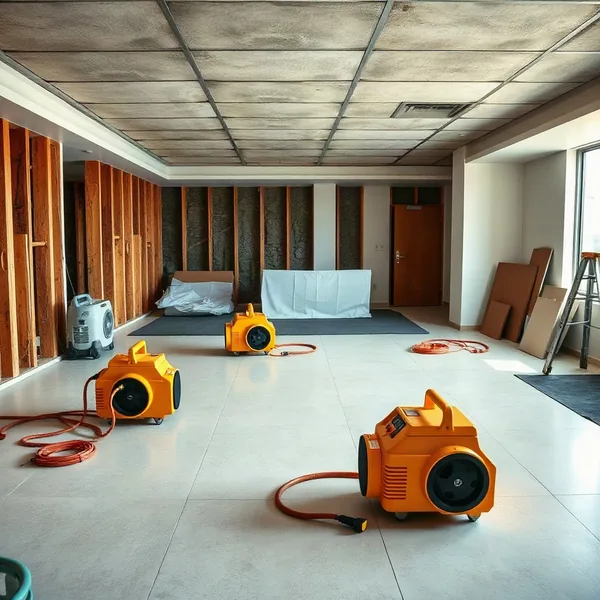
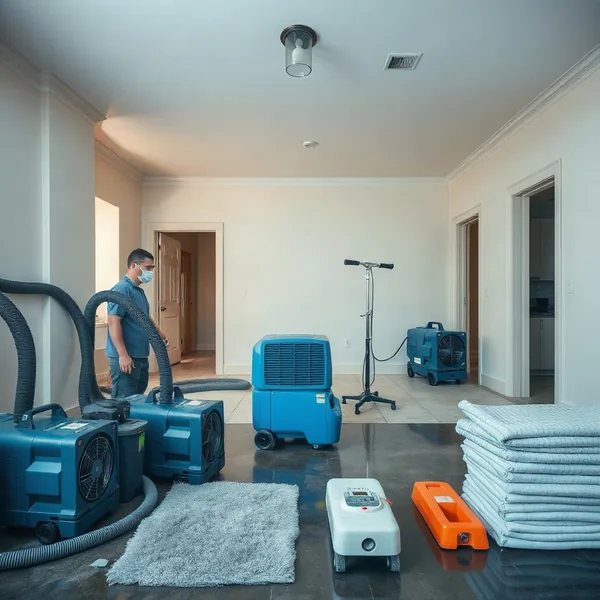
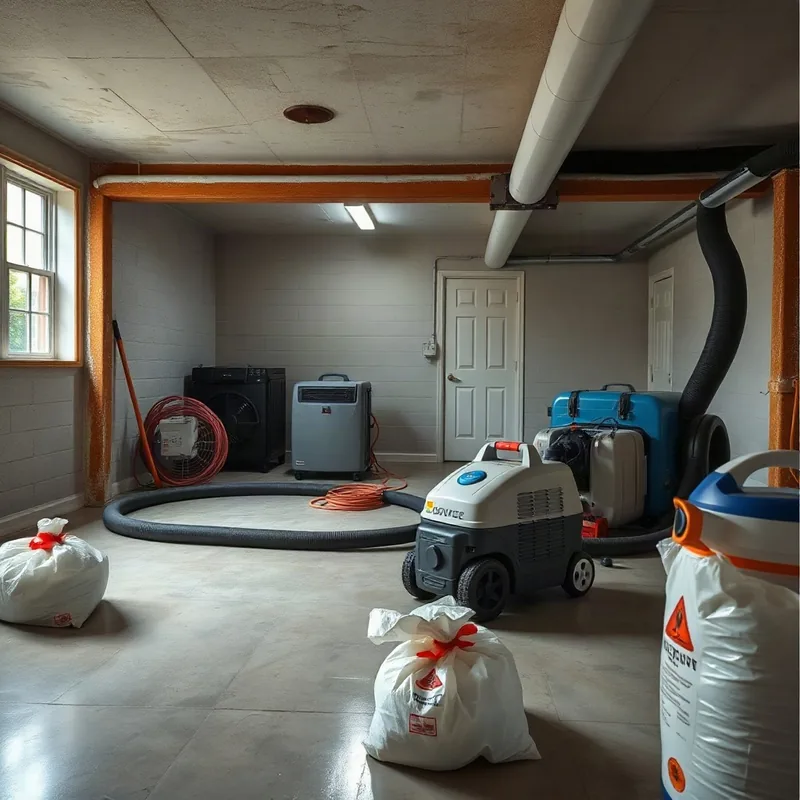
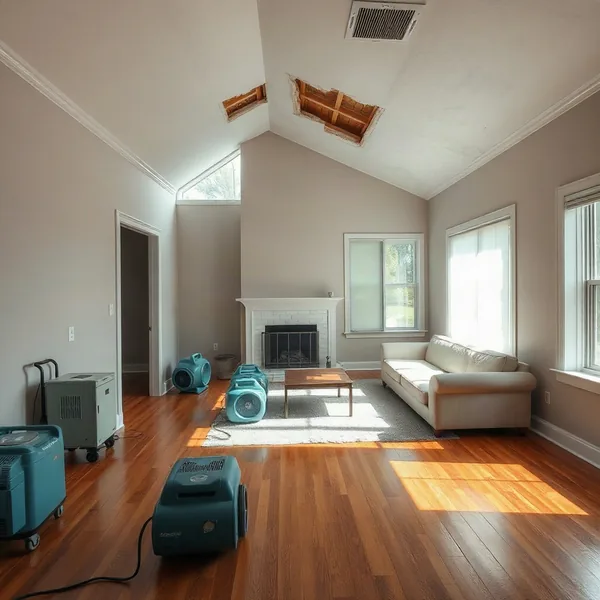
Extraction comes first — technicians use truck-mounted and portable pumps to pull standing water out of the space, often removing hundreds of gallons in under an hour. Drying follows immediately: commercial-grade air movers and low-grain refrigerant dehumidifiers run for 3 to 5 days, cycling through moisture readings every 24 hours until building materials reach their target moisture content. Sanitizing closes the process, applying EPA-registered antimicrobials to all affected surfaces because burst pipe water frequently contacts sewage lines or soil contamination — raising the risk of category 3 water exposure, which requires stricter handling protocols and personal protective equipment throughout the job.
03
Can a Burst Pipe Be Temporarily Patched?
pipe clampepoxy patch
Yes, a temporary patch can stop active water flow while you wait for a licensed plumber, and it's worth knowing how to apply one correctly.
A pipe clamp — a rubber-lined metal sleeve that bolts around the break — is the most reliable field fix for copper or galvanized pipe and takes about 5 minutes to install. An epoxy patch kit works on smaller cracks, particularly on PVC lines, once the surface is dry enough to bond. Both options hold pressure temporarily, typically for 24 to 72 hours, but neither restores full pipe integrity. They also do nothing about the water already released. Cleanup and permanent repair must still follow, and any structural or plumbing work in West Palm Beach requires a permit through the City of West Palm Beach Building Division.
04
How Much Does Burst Pipe Cleanup Cost?
water spreadaffected materials
Cost depends almost entirely on how far the water spread and which affected materials absorbed it before extraction began.
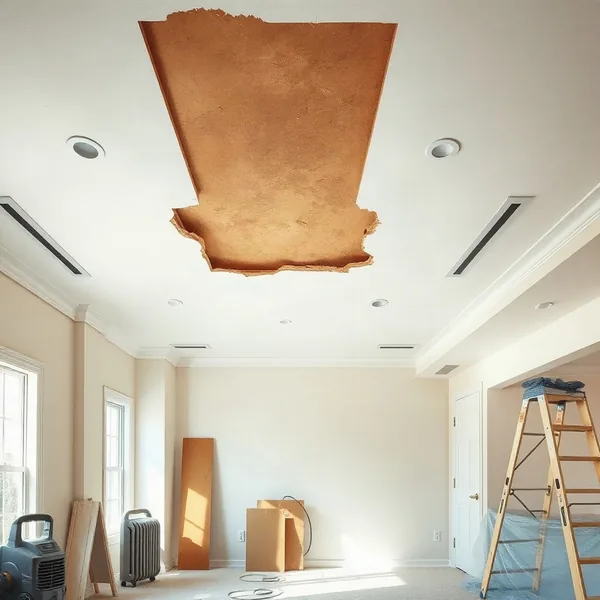
A contained burst caught within an hour on a tile floor can cost $500 to $1,500. Moderate damage reaching drywall and insulation runs $2,000 to $6,000. In West Palm Beach, where a substantial share of homes were built before 1980, the numbers climb steeply — older plaster walls, unfaced insulation, and untreated wood framing absorb water aggressively and dry slowly, pushing severe cases to $8,000 to $20,000 or more once demolition and rebuild are included. Permit fees through the City of West Palm Beach Building Division add to the timeline and budget for any structural repairs. Request a written burst pipe quote from a vetted local contractor after an on-site moisture assessment.
05
Do You Need a Plumber or a Water Damage Company?
plumbing repairwater damage cleanup
You need both — they cover completely different scopes.
A licensed plumber handles plumbing repair: cutting out the failed section, replacing the pipe, testing pressure, and restoring the water supply line. A water damage restoration company handles everything afterward: extraction, moisture mapping, structural drying, and sanitizing. Neither can fully substitute for the other. In West Palm Beach, both trades must hold active licenses and pull permits through the City of West Palm Beach Building Division for structural and plumbing work under the Florida Building Code. The smart move is to start both calls simultaneously. Water damage cleanup can begin while the plumber is still on site repairing the break, reducing total project time by a full day in most residential jobs.
06
What Should Be in an Emergency Burst Pipe Kit?
pipe clampstowelswet vac
A well-stocked burst pipe kit gives you a fighting chance in the first 15 minutes before a crew arrives.
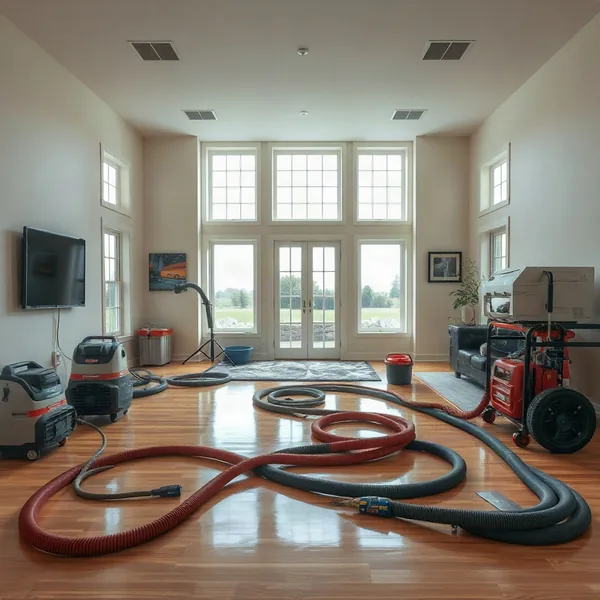
Start with at least two pipe clamps in the sizes that match your home's most common pipe diameter — typically half-inch and three-quarter-inch for residential supply lines. Add a roll of self-fusing silicone tape, a box of heavy-duty trash bags, and a stack of old towels for immediate absorption around the break. A wet vac is the single most valuable tool in the kit: even a basic 12-gallon model removes water from hard floors fast enough to protect subfloor and baseboards while you wait for professional extraction equipment. Keep the kit in a utility closet near your main shut-off valve so both are accessible in the same 60-second window.