01
What Fire and Smoke Damage Actually Does to a West Palm Beach Home
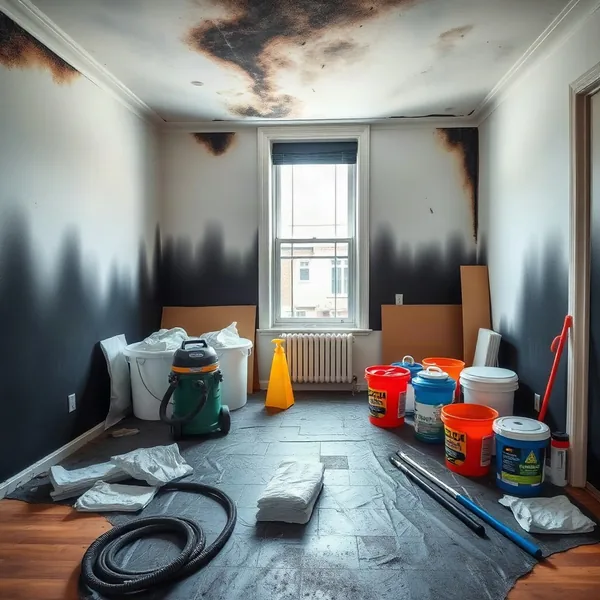
Fire damages a structure on three simultaneous tracks: direct combustion destroys framing and finishes, smoke and soot penetrate every porous surface within minutes, and the water used to suppress the fire saturates walls and subfloors.
In West Palm Beach, that third factor is especially consequential. South Florida's sustained high humidity — routinely above 70 percent — means wet structural cavities can begin supporting mold colonization within 24 to 48 hours. Homes built before 1980, which represent a significant share of West Palm Beach's housing stock, use wood-frame construction and plaster walls that absorb soot and moisture more aggressively than modern materials, expanding the remediation scope considerably.
02
The Fire Damage Repair Process: What a Vetted Crew Will Actually Do
A qualified fire damage repair team begins with emergency stabilization — board-up, roof tarping, and utility isolation — to stop secondary damage before restoration work starts.
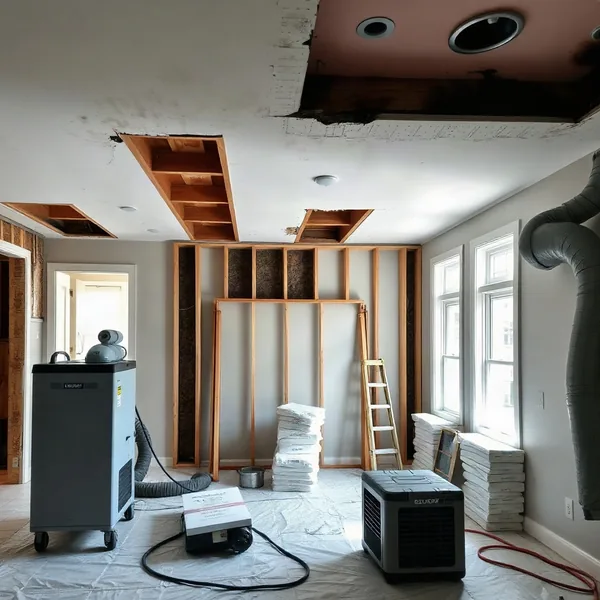
Debris removal and structural assessment follow, with the contractor identifying load-bearing elements that need engineering review. Smoke and soot removal from surfaces, ductwork, and HVAC systems comes next, using commercial cleaning agents and controlled negative air pressure. Any structural, electrical, or plumbing repairs then require permits pulled through the City of West Palm Beach Building Division under the Florida Building Code. Skipping that step creates legal and resale problems that far outlast the original fire damage.
03
Fixing Smoke Damage: Why Surface Cleaning Is Never Enough
Fixing smoke damage requires understanding how smoke actually moves.
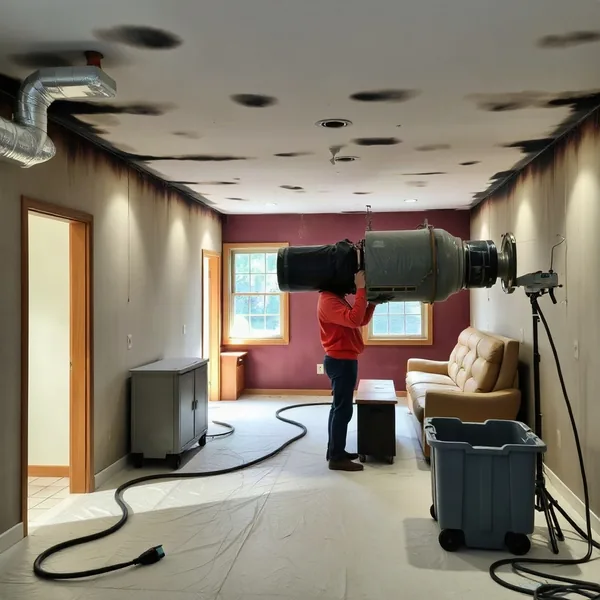
Within the first few minutes of a fire, smoke particles travel through wall cavities, settle inside electrical boxes, and embed in porous materials like drywall, insulation, carpet, and wood. In pre-1980 West Palm Beach homes, plaster walls and older cellulose insulation hold smoke compounds especially tenaciously. Surface wiping removes visible residue but leaves odor-causing proteins and acids behind. Professional remediation combines HEPA vacuuming, chemical sponge cleaning, thermal fogging, and sometimes ozone or hydroxyl treatment to reach contamination that no surface scrub can address. Humidity control runs in parallel — wet air reactivates smoke odors already thought to be cleared.
04
How We Connect You With the Right Fire Restoration Company in West Palm Beach
Palm Beach Restoration Pros pre-screens every fire restoration company in our network for active Florida contractor licensing, liability insurance, and documented experience pulling permits through the City of West Palm Beach Building Division. We do not refer generalist handymen or out-of-area crews unfamiliar with South Florida's climate and local code requirements. When you contact us, we gather the basic details of your situation — structure type, approximate damage area, and whether the fire department has cleared re-entry — and match you with a specialist whose capacity and certifications fit your specific job. That matching process typically takes under 30 minutes.
05
Insurance Coordination and Documentation During Fire Damage Clean Up
Thorough documentation during fire damage clean up directly determines how much your insurer pays.
The specialists we refer photograph and inventory every affected area before any debris is removed, creating a defensible record of pre-remediation conditions. They prepare scope-of-loss reports formatted to meet standard insurance carrier requirements, which reduces back-and-forth with adjusters. Because any structural fire damage repair in West Palm Beach requires permits from the City of West Palm Beach Building Division, the permit record itself becomes part of your documented rebuild history — something insurers and future buyers both want to see. Starting this documentation within the first 24 hours protects your claim from unnecessary disputes.