Is Fire Damage Repairable? What Homeowners Need to Know
Reviewed by our editorial team for accuracy
Quick answer: Most fire damage is repairable. Professionals evaluate structural integrity, char depth, smoke penetration, and electrical safety to determine what can be restored versus what must be removed. Even severely burned homes are often salvageable with the right sequence of demolition, cleaning, drying, and reconstruction—total loss is the exception, not the rule.
How Professionals Decide What Can Be Saved After a Fire
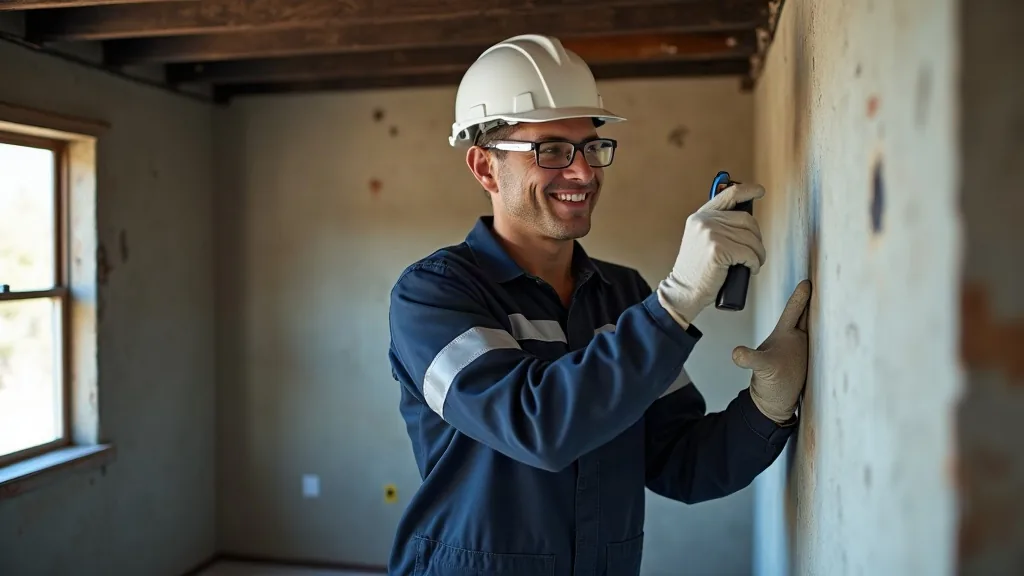
Salvageability decisions happen before demolition begins, and they drive everything—cost, timeline, permit requirements, and whether a structure stays standing. In West Palm Beach, those decisions carry an extra layer of complexity because a significant portion of the city's housing stock is pre-1980 residential construction, meaning assessors routinely encounter legacy building materials—asbestos-containing drywall compound, knob-and-tube wiring, vermiculite insulation—that alter both the hazard profile and the recovery plan.
Structural integrity: reading char depth and load-bearing damage
Structural char assessment is the first discipline on site. Wood chars at a predictable rate under fire exposure, and restoration professionals use char depth evaluation to determine how much structural capacity remains in a beam, joist, or stud wall. The outer char layer is relatively stable; it's the transition zone beneath it—where wood is thermally damaged but not fully carbonized—that governs whether a member can carry load.
Key decision points:
- Char depth under one inch on a dimensional lumber member often signals that core strength is largely intact, subject to a structural engineer assessment.
- Deep or through-char on load-bearing elements means replacement, not repair.
- Thermal damage to concrete block or masonry—common in older West Palm Beach homes—requires separate evaluation because heat causes spalling and internal cracking that isn't visible at the surface.
The Florida Building Code and the City of West Palm Beach Building Division both require permitted repairs for any structural work. That means a licensed structural engineer assessment isn't optional—it's a prerequisite for pulling the permit that legally allows reconstruction.
Smoke penetration and why 'it looks fine' can be misleading
Smoke and soot damage is the most underestimated category in fire damage restoration. Smoke travels under pressure into wall cavities, HVAC plenums, and attic spaces well beyond the burn zone. A room that appears cosmetically clean can have soot embedded in insulation and smoke odor compounds absorbed into drywall gypsum.
How much does fire damage restoration cost in West Palm Beach? The honest answer depends heavily on smoke penetration depth: localized surface cleaning costs far less than full smoke odor remediation requiring cavity access, media blasting, and encapsulant application. Without probing wall cavities and testing air quality, any early estimate is a floor number, not a firm quote.
Pre-1980 homes add risk here because original insulation and plaster formulations absorb and re-emit odor compounds differently than modern materials. What reads as a routine smoke job on inspection can require substantially more intervention once walls are opened.
Electrical, plumbing, and HVAC: the hidden damage categories
An electrical system inspection after fire isn't just about burned wires. Heat warps conduit, degrades insulation ratings, and damages panel components that look intact. In older West Palm Beach homes still carrying original wiring configurations, fire often reveals pre-existing code deficiencies that the Building Division will require correction before issuing a Certificate of Completion.
Water damage co-occurrence compounds this. Firefighting water infiltrates electrical panels, saturates insulation, and accelerates corrosion in copper plumbing—creating secondary damage that extends well beyond the fire's footprint.
HVAC decontamination is frequently deferred and frequently regretted. Soot particles and combustion byproducts pulled into ductwork redistribute throughout a home every time the system runs. A thorough HVAC assessment belongs in the initial evaluation, not as an afterthought after occupants return.
Contents restoration decisions follow the same logic: porous materials that absorbed smoke compounds at the molecular level often cannot be cleaned to an acceptable standard, while metal, glass, and dense hardwoods typically can—if acted on quickly.
The Fire Restoration Process: Sequence, Timeline, and What Each Stage Involves
How long does fire damage restoration take? For a contained room fire in a straightforward structure, expect four to eight weeks from assessment to Certificate of Completion. Larger losses, pre-1980 homes with legacy building materials, or projects that uncover code deficiencies during permitting can run three to six months. The variables that move that number most are structural scope, permit review pace at the City of West Palm Beach Building Division, and how far smoke penetration reached before remediation began.
The sequence below is not arbitrary—each stage gates the next, and skipping or compressing one compounds costs downstream.
Demolition and salvage: what gets torn out and what gets cleaned
Once structural char assessment and the initial scope walk are complete, selective demolition begins. The goal is removing material that cannot be restored to a safe, code-compliant condition while preserving everything that can be cleaned effectively.
What typically gets removed:
- Char-compromised framing beyond surface scoring
- Drywall and plaster with full-depth smoke absorption or thermal damage
- Insulation in fire-affected cavities (especially problematic in pre-1980 homes where original batt or blown-in materials have absorbed odor compounds deeply)
- Flooring with structural or contamination issues beneath the finish layer
What typically gets cleaned rather than replaced:
- Solid wood framing with surface char only, once char depth evaluation confirms adequate remaining section
- Masonry and concrete elements that passed structural engineer assessment
- Metal framing, pipe, and conduit free of heat distortion
- Dense hardwood flooring where subfloor is intact
In older West Palm Beach construction, demolition regularly surfaces asbestos-containing materials—floor tile mastics, pipe insulation, textured ceilings. If identified, abatement is required before further demo proceeds, which adds time and scope to the estimate.
Cleaning, drying, and smoke odor removal
This phase runs concurrently with late-stage demolition in most projects. Water damage co-occurrence from suppression efforts means structural drying must start immediately—wet framing left under tarps develops mold within days in South Florida's humidity.
Smoke and soot damage remediation moves from surfaces inward:
- Dry media cleaning removes loose soot from hard surfaces without smearing
- Chemical sponging and HEPA vacuuming address porous surfaces
- Cavity access and media blasting (soda or dry ice) handles framing and sheathing with embedded odor compounds
- Encapsulant application seals residual odor in areas where full removal isn't structurally possible
- HVAC decontamination clears ductwork of combustion byproducts before the system is operated again—this step is critical and should not wait until reconstruction is complete
Smoke odor remediation in pre-1980 homes frequently requires cavity access even when surface conditions look manageable. Original plaster and older insulation formulations re-emit absorbed compounds after occupants return if not addressed at the source.
Contents restoration decisions close out this phase. Porous items—upholstered furniture, mattresses, clothing—that absorbed smoke at a molecular level are often unrecoverable. Hard, non-porous contents cleaned quickly typically fare well.
Reconstruction and the permit requirement in West Palm Beach
Reconstruction cannot begin on structural, electrical, or plumbing work without permits issued by the City of West Palm Beach Building Division. This is a firm requirement under the Florida Building Code, and it applies regardless of damage scale—a single burned wall that touches framing, wiring, or plumbing triggers the permitting obligation.
For pre-1980 homes, this matters in a specific way: the permit review process brings inspectors into contact with the existing structure, and pre-existing code deficiencies discovered during that review must be corrected before a Certificate of Completion issues. Homeowners sometimes budget for fire damage restoration and are caught off guard when the electrical system inspection flags non-compliant wiring that predates the fire by decades.
Typical reconstruction sequence:
- Framing repairs or replacement
- Rough-in electrical, plumbing, and HVAC (inspected before close-up)
- Insulation
- Drywall, plaster, or period-appropriate finish material
- Finish electrical, plumbing fixtures, and HVAC reconnection
- Final inspection and Certificate of Completion
Permit timelines vary. Straightforward residential fire damage permits in West Palm Beach may move through plan review in two to four weeks; larger structural losses or projects requiring engineer-stamped drawings take longer. Build that review window into any contractor timeline you receive—a quote that assumes permit approval overnight is not realistic.
Fire Damage Restoration Cost in West Palm Beach: What to Budget
Fire damage cleanup cost varies too much for a single figure to be meaningful—a contained kitchen fire with smoke and soot damage to one room looks nothing like a loss that burned through framing, activated sprinklers, and exposed asbestos-containing materials. What you can do is understand which variables move the number and where West Palm Beach conditions push it higher than national estimates suggest.
How much does smoke damage restoration cost?
Smoke damage restoration on its own—without structural repair—typically accounts for HVAC decontamination, smoke odor remediation, surface cleaning, and contents restoration work. Costs scale with:
- Square footage affected — smoke travels far beyond the burn origin, especially through open floor plans common in mid-century construction
- Material porosity — original plaster, older insulation, and wood lathe absorb combustion byproducts deeply, requiring cavity access rather than surface treatment alone
- HVAC system size and condition — decontaminating a ducted system in a larger home adds meaningful labor and materials cost
- Contents volume — hard non-porous items clean efficiently; upholstered or porous contents that cannot be restored are a write-off, not a restoration line item
Treat any estimate that doesn't distinguish between surface smoke damage and deep penetration with skepticism.
Factors that push costs higher in older West Palm Beach homes
Pre-1980 residential construction introduces cost variables that generic fire damage restoration guides don't account for.
Do I need a permit to repair fire damage in West Palm Beach? Yes—structural, electrical, and plumbing repairs require permits issued by the City of West Palm Beach Building Division under the Florida Building Code. That permitting obligation doesn't add itself to contractor quotes automatically, but it does add time and cost.
In older homes specifically, permit review brings inspectors into contact with the existing structure. Pre-existing code deficiencies uncovered during an electrical system inspection or structural engineer assessment must be corrected before work closes out—independent of what the fire caused.
Additional cost drivers in pre-1980 homes:
| Factor | Why it adds cost |
|---|---|
| Legacy building materials | Testing and abatement protocols before demo or char depth evaluation |
| Water damage co-occurrence | Suppression water compounds thermal damage assessment complexity |
| Engineer-stamped drawings | Required for structural char assessment on compromised framing |
| Period finish materials | Matching original plaster or millwork costs more than standard drywall replacement |
Budget the permit review window into your timeline—two to four weeks for straightforward residential losses, longer for projects requiring engineering submittals. A contractor quote assuming instant permit approval is not a realistic baseline.
Do You Need a Permit to Repair Fire Damage in West Palm Beach?
Yes—and the prior cost section touched on this for good reason, because permitting isn't a formality. It's a hard dependency that shapes your timeline, your contractor selection, and ultimately what your insurer will accept.
What the Florida Building Code requires after a fire
The Florida Building Code mandates permits for any structural, electrical, or plumbing repair following a fire loss. In West Palm Beach, those permits run through the City of West Palm Beach Building Division. That means inspectors review and approve work at defined stages—no permit, no certificate of completion, no legal occupancy.
For a fire-damaged home, the permit scope typically covers:
- Structural repairs — any framing work flagged during structural char assessment requires engineer-stamped drawings before permits issue
- Electrical system inspection — wiring, panels, and junction boxes affected by thermal damage must be inspected and brought to current code, not pre-fire condition
- Plumbing repairs — suppression water and firefighting activity frequently cause water damage co-occurrence that triggers plumbing permit requirements
- HVAC decontamination — if ductwork or equipment is replaced rather than cleaned, mechanical permits apply
In pre-1980 residential construction, permit review regularly surfaces pre-existing deficiencies—outdated wiring, unpermitted additions, legacy building materials that require abatement. Those deficiencies must be corrected before the project closes out, regardless of whether the fire caused them.
Why permit-ready contractors matter for your timeline and coverage
How much does smoke damage restoration cost? Smoke and soot damage that stays in the cosmetic category—surface cleaning, smoke odor remediation, HVAC decontamination—typically doesn't require a building permit and moves faster. The moment smoke damage restoration involves opening walls, replacing electrical components, or repairing framing, permitting enters the picture and the cost baseline shifts.
Contractors who pull permits correctly protect two things: your certificate of completion and your insurance claim. Many policies require code-compliant repairs as a condition of full reimbursement. A contractor who skips permits to move faster may create a coverage gap that surfaces only after the work is done.
When vetting contractors, ask directly:
- Will you pull all required permits through the City of West Palm Beach Building Division?
- Do your bids account for the permit review window, or is that treated as a delay?
- If an inspector flags a pre-existing deficiency, how is that scope change handled contractually?
A bid that ignores permitting isn't a competitive price—it's an incomplete one.
Palm Beach Restoration Pros connects you with licensed local contractors. One call, no form.
Call (561) 342-0374Frequently Asked Questions
How much does fire damage restoration cost in West Palm Beach?
Fire damage restoration in West Palm Beach typically costs between $3,000 and $50,000, depending on severity. Minor repairs may fall under $10,000, while major structural damage can exceed that significantly. Palm Beach Restoration Pros provides free on-site assessments and works directly with your insurance carrier to minimize out-of-pocket expenses.
How long does fire damage restoration take?
Fire damage restoration takes anywhere from a few days to several months, depending on damage extent. Small contained fires may be resolved in one to two weeks, while severe structural damage requires two to six months. Palm Beach Restoration Pros creates a detailed timeline during your initial assessment.
Do I need a permit to repair fire damage in West Palm Beach?
Yes, most structural fire damage repairs in West Palm Beach require permits through the City of West Palm Beach Building Department. Cosmetic repairs may not require one, but electrical, plumbing, and structural work always do. Palm Beach Restoration Pros handles all permitting on your behalf.
How much does smoke damage restoration cost?
Smoke damage restoration typically costs between $200 and $10,000, depending on the affected area size and material types. Porous surfaces like drywall and wood absorb odors deeply, increasing costs. Palm Beach Restoration Pros uses professional-grade equipment to fully eliminate smoke odors and residue safely.
Is fire damage repairable?
Yes, most fire damage is repairable with professional restoration. Structural elements, flooring, walls, and belongings can often be salvaged or rebuilt. Early intervention is critical — the longer soot and smoke remain, the more permanent the damage becomes. Palm Beach Restoration Pros responds quickly throughout the West Palm Beach area.